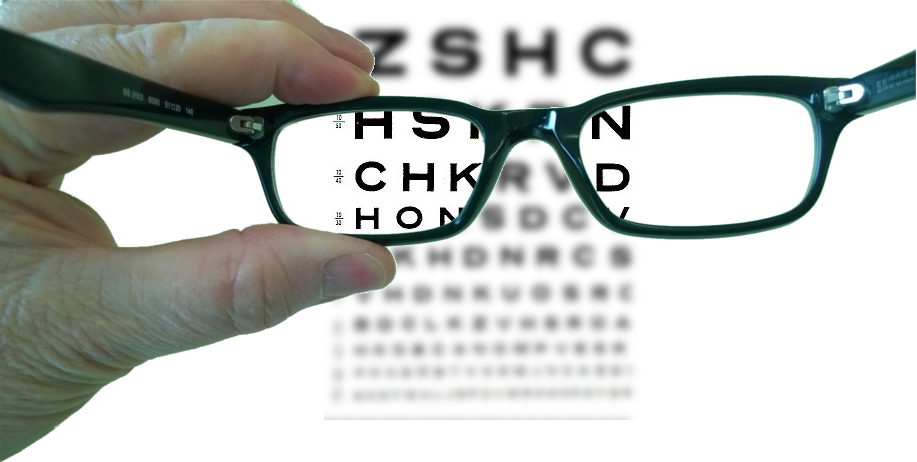
Glasses and chart photo by Borlip (CC0).
Beyond the Frame: How Warby Parker Rewrote the Retail Playbook
When was the last time you felt truly stuck with a purchase? For decades, buying prescription glasses was expensive, inconvenient, and nerve-wracking. You’d drive to a showroom, squint at price tags, and hope the frames still felt right once you got home.
In 2010, four Wharton classmates saw this not just as a nuisance, but as a market failure. Their solution? Warby Parker. They didn’t just build a website. They used social media to dismantle cognitive dissonance and turn skeptical shoppers into a community of brand advocates.
HubSpot explains direct-to-consumer (DTC) marketing as selling directly to consumers. This approach bypasses a third-party retailer. It is the foundation of how Warby Parker controls the full customer experience.
The Battle Against “Buying Blind”
Warby Parker’s biggest obstacle wasn’t price or product—it was psychology. Eyeglasses feel like a high-stakes identity purchase. That creates cognitive dissonance: “If this is risky and important, I should buy it in-store.”
Why Home Try-On Worked
- Reduced perceived risk by letting customers “try before they buy.”
- Made the purchase collaborative—friends became part of the decision.
- Generated user-generated content (UGC) that acted like free advertising.
- Turned the living room into a social showroom that scaled organically.
Harvard Business School’s Warby Parker discussion highlights how the Home Try-On program reduced the friction of buying glasses online and normalized sharing the experience publicly.
Transforming Customers into Salespeople
One of the most revealing stats from the case study is about customer behavior. Customers who posted photos bought at twice the rate compared to those who didn’t.
That isn’t random. It’s the engine of UGC doing exactly what it’s meant to do. Warby Parker encouraged customers to share try-on photos, ask friends for feedback, and make the decision social. That turns a private deal into a community moment. It creates a loop of social proof. Traditional retailers can’t easily compete with this.
Purpose as an Accelerant
The Ad Council defines purpose-driven marketing as centering communications around a social cause aligned to core values. Warby Parker’s Buy a Pair, Give a Pair program—supported through partners like VisionSpring—adds moral permission to switch behavior. The consumer isn’t just buying frames—they’re participating.
Blueprint for Modern Brands
Remove friction first, then persuade. Design for sharing, not just viewing. Use UGC to reduce uncertainty, not just create noise. Align the brand with a simple “why” that customers can explain.
Sources
- Entrepreneur
- Ad Council
- Warby Parker
- VisionSpring
- Wikimedia Commons (photo source)
- Harvard Business School (Warby Parker)
 Digital Influence Strategy

Leave a comment