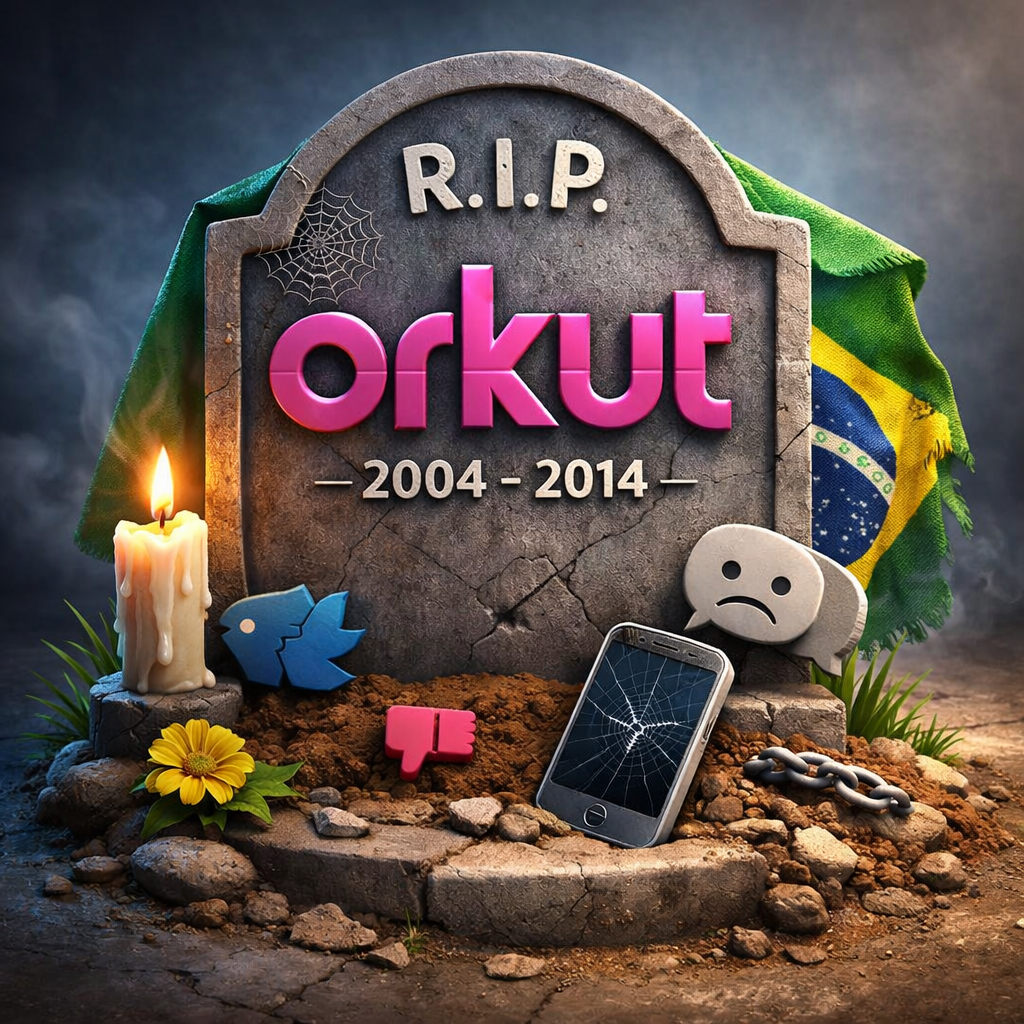
What if I told you one of the most successful social networks ever… failed anyway?
Before Facebook dominated globally, before Instagram became culture, there was Orkut—a platform that didn’t just grow… it took over an entire country.
At its peak, 90% of Orkut’s traffic came from Brazil. Let that sink in.
So what went right—and more importantly, what went wrong?
Let’s break it down 👏
🚀 The Rise: Why Orkut Worked So Well
Orkut wasn’t just another social network. It tapped into human behavior, culture, and exclusivity all at once.
🔑 1. It Made Community the Core Experience
Instead of just “adding friends,” Orkut allowed users to:
- Join communities based on interests
- Discover people through shared groups
- Connect through schools, jobs, and locations
👉 This created identity-based engagement, not just social interaction.
🔒 2. Exclusivity Created Demand
Early on, Orkut was invite-only.
That simple move did two powerful things:
- Built perceived value
- Made users feel like insiders
This is classic social psychology—people want what they can’t easily access.
🌎 3. It Matched Brazilian Culture Perfectly
This is where Orkut really dominated.
Brazil had:
- A strong social-first culture
- High trust in peer recommendations
- Rapid growth in digital and mobile usage
And Orkut delivered exactly what users wanted:
- Community interaction
- Social validation (ratings like “cool” and “trustworthy”)
- Easy connection with others
👉 It wasn’t just a platform—it became part of daily life.
⚠️ The Fall: Where Orkut Lost Everything
Here’s the part most people miss… Orkut didn’t fail because it started weak. It failed because it stopped evolving.
❌ 1. Poor User Experience Over Time
- Slow loading times
- Limited features
- Restrictions on connections
In a world where user expectations constantly rise… friction kills growth.
❌ 2. Lack of Content Evolution
- Video
- Mobile-first experiences
- Rich media sharing
Orkut stayed relatively basic—a huge problem in a market that loves visual and interactive content.
❌ 3. It Ignored Cultural Shifts
- Social video
- Mobile engagement
- Seamless sharing
Orkut didn’t keep up—and when platforms stop matching culture, users leave. Fast.
🤔 The Marketing Lesson (This Is What Most People Miss)
Orkut proves something powerful: social media success is not about being first—it’s about staying relevant. Here’s what that means in practice:
📍 What Orkut Got Right
- Built community-first engagement
- Leveraged exclusivity psychology
- Aligned with local culture
📍 What Orkut Got Wrong
- Failed to adapt to user behavior
- Ignored content evolution (video, mobile)
- Didn’t innovate fast enough
🔗 Real-World Connection: Why This Still Matters Today
- Facebook struggling with younger audiences
- Snapchat losing ground to TikTok
- Even X (Twitter) constantly reinventing itself
Platforms don’t die because they’re bad—they die because they stop adapting.
📊 The Deeper Insight (MBA-Level Thinking)
From a strategy perspective, Orkut highlights a key concept: Technology + Culture = User Behavior.
- Platforms succeed when they match how people live and interact
- Not just what technology can do
- When that alignment breaks… growth stops
💡 If I Were Rebuilding Orkut Today…
- Introduce short-form video content
- Build mobile-first design
- Use AI-driven recommendations
- Create creator-based communities
- Add social commerce features
In other words… turn Orkut into a modern ecosystem, not just a network.
🎯 Final Takeaway
Orkut didn’t fail because it lacked users—it failed because it lost relevance. And in social media marketing, that’s everything. Attention is earned. Relevance is maintained.


 Digital Influence Strategy