Photo by http://www.kaboompics.com on Pexels.com
Why Did WeChat Grow So Fast?
Most apps fight for attention.
WeChat removed the need to leave.
That’s the difference—and it’s why it didn’t just “go viral,” it became a daily habit for hundreds of millions of users.
It Was Never “Just Another Chat App”
In social media marketing, we often talk about search costs—the hidden effort users spend jumping between apps to get things done. WeChat eliminated that problem. Instead of forcing users to switch between messaging apps, payment platforms, browsers, and social feeds, it combined everything into one seamless experience.
Think about your own habits for a second: How often do you leave one app just to complete a simple task? WeChat asked a better question: What if users never had to leave at all? That shift—from multiple platforms to one ecosystem—is what made WeChat powerful.
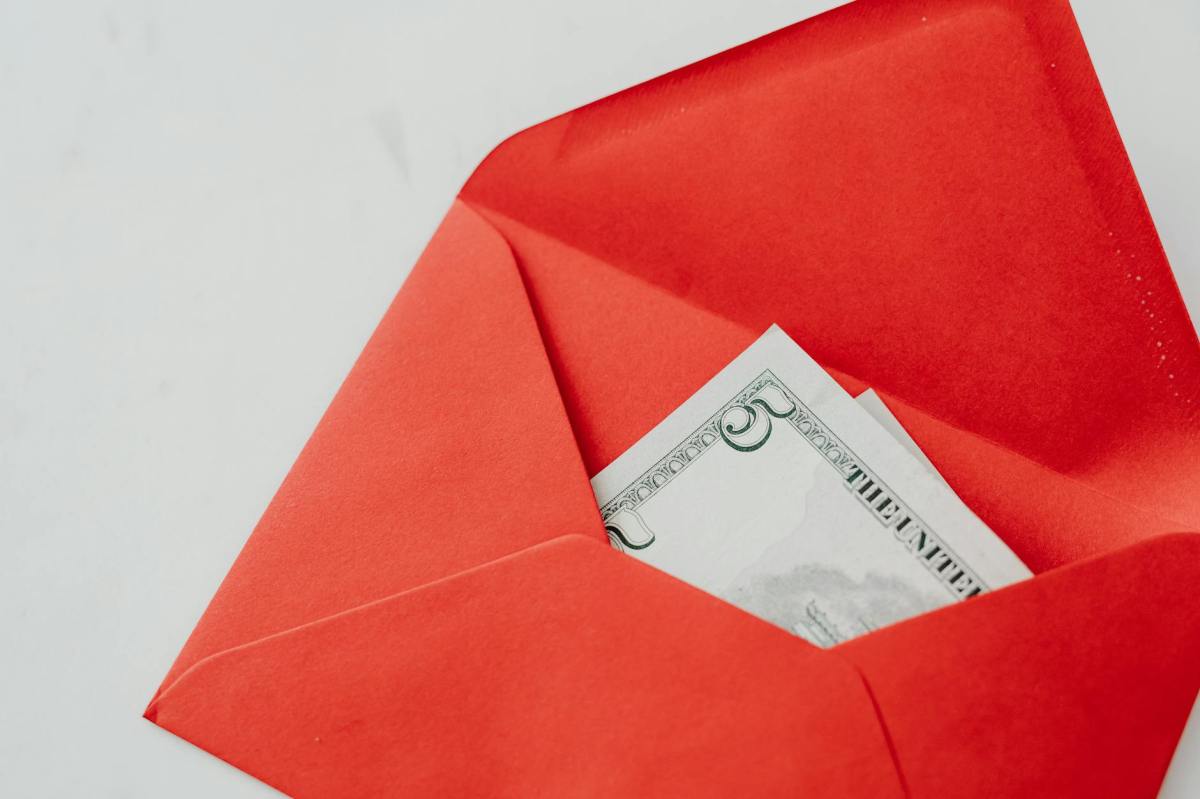
The Red Envelope Campaign: Culture + Gamification + Virality
- Suspense: randomized distribution created excitement.
- Participation: group gifting fosters conversation.
- Repeat use: holiday frequency drives habit.
- Enter the Red Envelope campaign. It blended culture (holiday gifting), emotion (surprise), and social proof (everyone’s doing it). It didn’t feel like fintech. It like fun, tradition, and generosity—updated for smartphones.
As a16z put it, red envelopes were a “secret weapon” for driving mobile payment adoption. That’s a masterclass in digital influence: use the medium (social messaging) to normalize the action (digital payments).
Habit Engineering: How WeChat Builds Daily Use
Here’s how WeChat engineered a loop where every action leads you deeper into the ecosystem:
- You message a friend → you stay in the app
- You read an article → you stay in the app
- You pay a bill → you stay in the app
The more you do, the less you leave. It’s a closed-loop experience—and it’s the same principle behind today’s “super apps.”
What Modern Marketers Should Take From This
- Audience: young, mobile-first users
- Needs: convenience and efficiency (reduce search costs)
- Behavior: reduce effort and time; remove friction
If a platform becomes part of someone’s routine, it stops competing for attention—it becomes a habit. That’s the real lesson: remove friction until participation feels effortless.
For more on how social behaviors can sometimes feel impactful but fall short in reality, check out my post: The Slacktivism Trap: When Viral Awareness Feels Good—but Achieves Nothing.
Learn More and Sources
For readers who want to dive deeper into the psychology and strategy behind platforms like WeChat, the HBS Digital Initiative offers an in-depth article on how the messaging app became a super-app. Additional recommended readings include the Fogg Behavior Model (B=MAP), which explains how motivation, ability, and prompts interact to drive behavior; Albert Bandura’s work on self-efficacy; and Nielsen Norman Group research on reducing cognitive load for smoother user experiences. These resources will help you design social media campaigns that not only capture attention but also build lasting habits.
For a comprehensive look at planning and executing social media programs, explore the textbook Strategic Social Media Management: Theory and Practice
If you have thoughts or questions, feel free to leave a comment below!
 Digital Influence Strategy
Leave a comment